I've published a few open source projects recently, including Local Review for reviewing your agent's PR stacks before they hit GitHub, Paddock for hosting your Claude Code agents, herdctl for autonomous AI agent fleets, react-auto-intl, NarratorAI, ReadNext and InformAI. The RSC Examples project is also open source, and is a collection of examples that show how to use React Server Components, especially in Next JS. See the live RSC Examples site here.
Local Review is a GitHub-style pull-request UI for the stack of commits already on your machine, before any of it is pushed. A coding agent writes a dozen tidy commits in an afternoon; Local Review shows every one of them as its own PR, grouped into the colour-coded stacks you mean to open, across one repo or several. You comment, your agent reads the comments out of plain YAML files and replies in the same place, a Comments tab keeps every thread in the stack on one page, and when a stack is right your agent opens it as GitHub native stacked PRs and posts the comments you marked for GitHub. Local Review itself is read-only on your repos, never talks to GitHub, and only listens on localhost. Try it with npx local-review, or install it as a service that's always running.
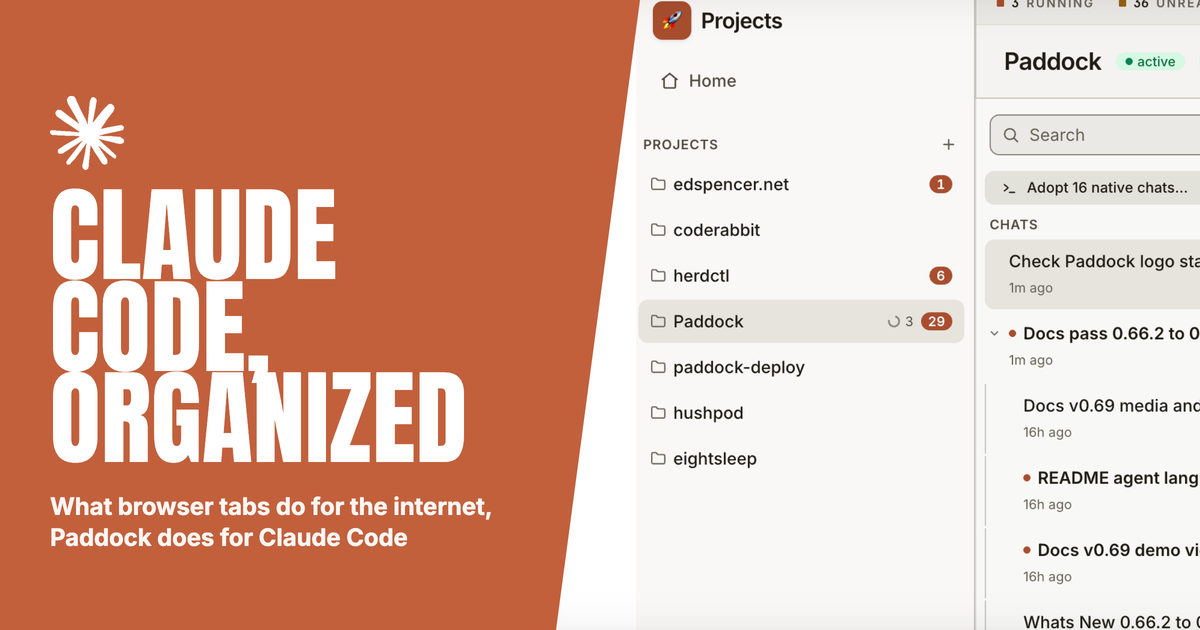
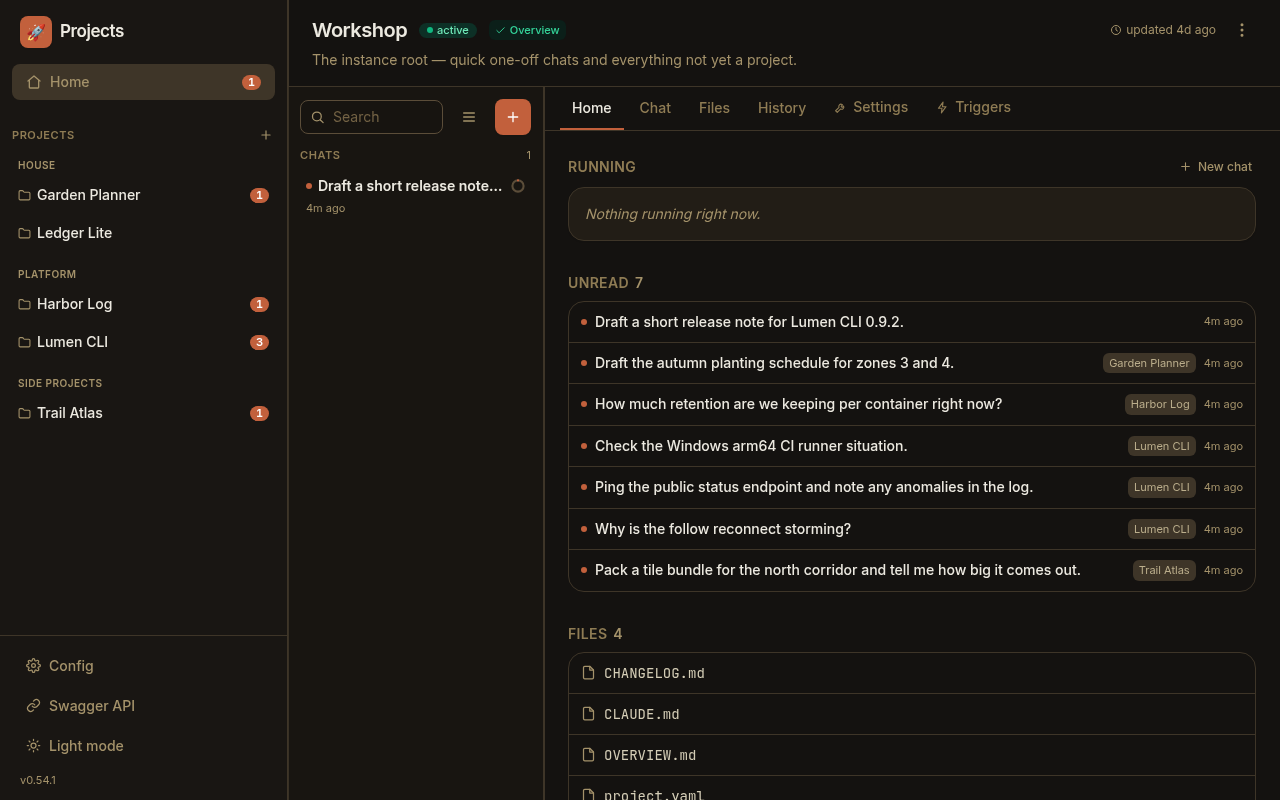
Paddock is browser tabs for Claude Code. Before tabs, every page needed its own window; Claude Code is at that stage now — one session per terminal, on one machine. Paddock is the tab bar: an open-source, self-hosted home for all your Claude Code chats, persistent and resumable from any browser, and sorted into projects once there are too many to keep track of. Chats can run on their own via schedules and event triggers, background work outlives the turn that started it, and an external Management API lets your other tools drive the whole instance over MCP. Built on herdctl.
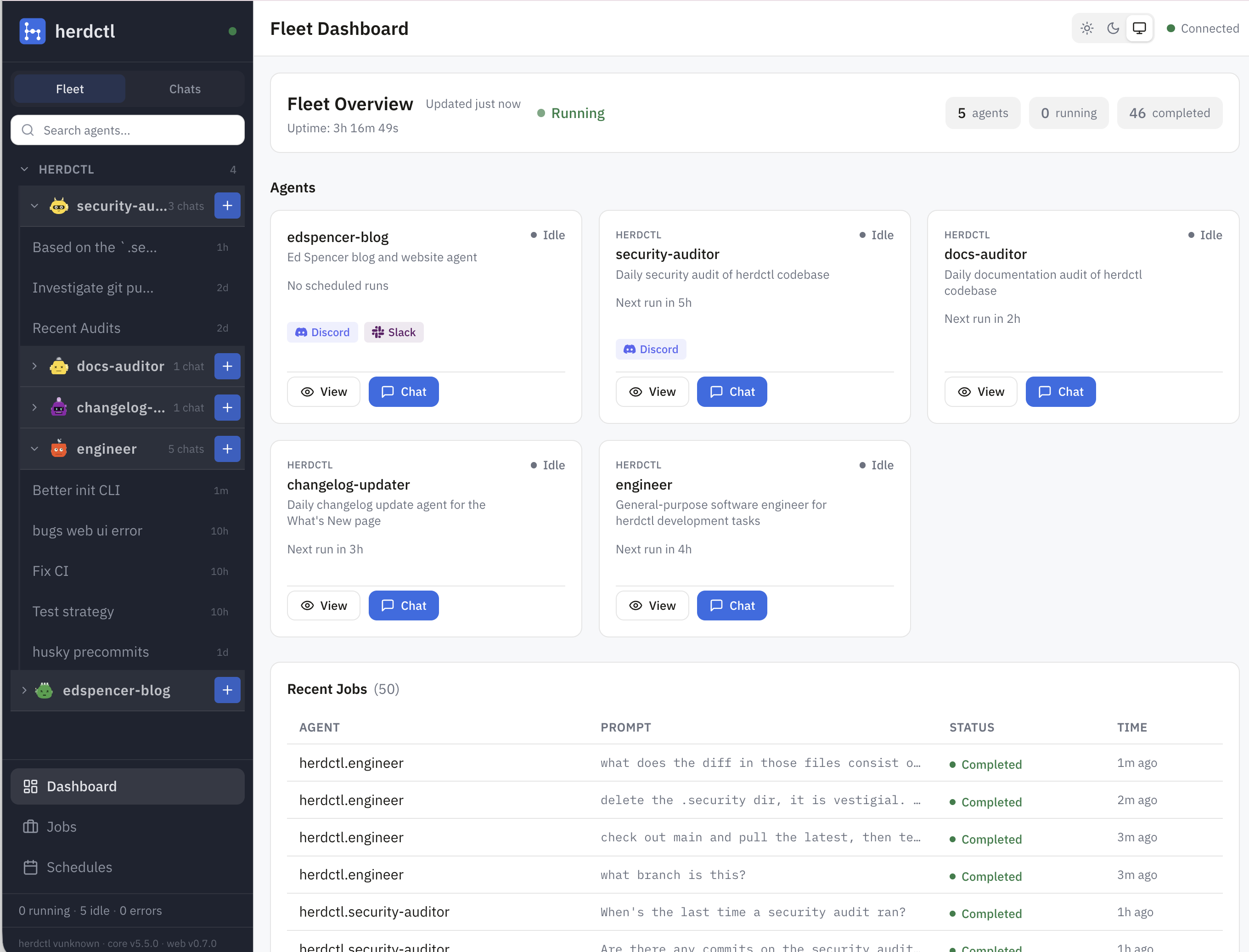
herdctl is an open-source orchestration layer for Claude Code that enables autonomous AI agent fleets. Define agents in YAML, trigger them on schedules or chat messages, and let them work through GitHub Issues, Jira, or Linear autonomously. "Kubernetes for AI agents."
mdx-prompt lets you use JSX to write LLM prompts, giving you the familiarity of React and the power of composability, templating logic, testing and reuse that come from JSX & MDX.
react-auto-intl uses AI to automatically internationalize and translate your React and Next JS applications. It can reduce days of tedious work to minutes.
NarratorAI excels at generating pieces of content like "What to Read Next" summaries, blog tag intros, and search result summaries. It's a tool that helps you create AI-powered content for your blog or other content.
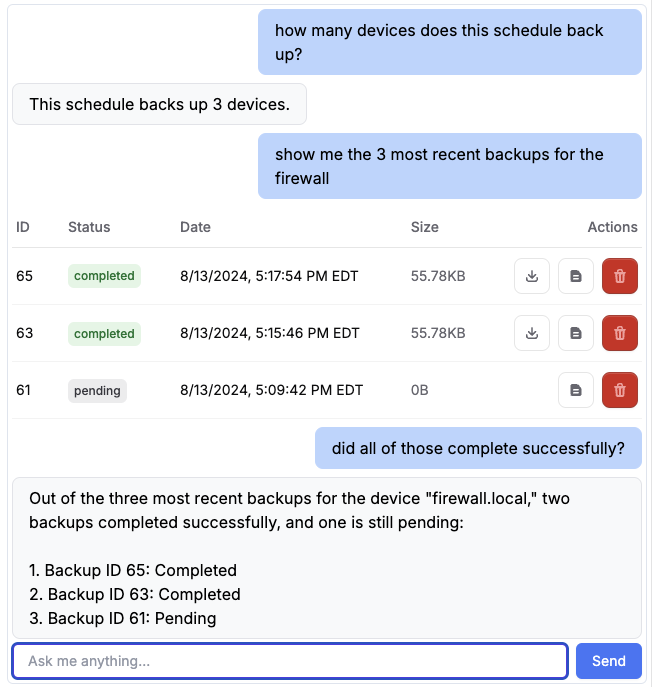
InformAI is a tool that allows AI to access and understand the information in your React components. With InformAI, it's easy to build AI copilots that can see the same screen as the user.
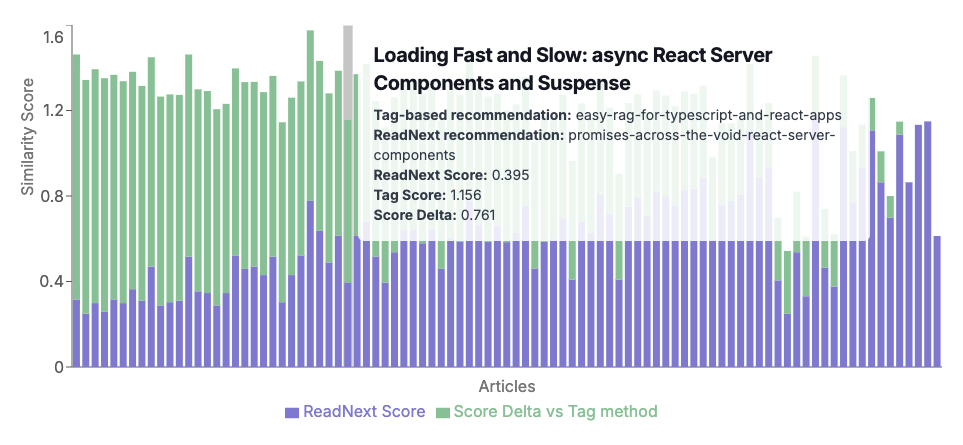
ReadNext is a tool that creates AI-powered content recommendations for your blog or other content. It uses a combination of natural language processing and machine learning to suggest related content.
A collection of examples for working with React Server Components. Promises, streaming, server actions, form processing, and AI integration. Uses ReadNext for related example recommendations.
In January 2025 I released bragdoc.ai, and shortly after launched frameit.dev. Both are hostedAI/SaaS applications but they're also open source if you want to run them yourself or see how they work. Check out bragdoc and frameit on GitHub.
bragdoc.ai is a SaaS application that uses a blend of AI and traditional SaaS technologies to help professionals keep track of all the great work they've done, and automatically generate high quality, evidence-based weekly summaries for your boss or performance review documentation to support your next promotion. It's also completely open source. I blog about it often.
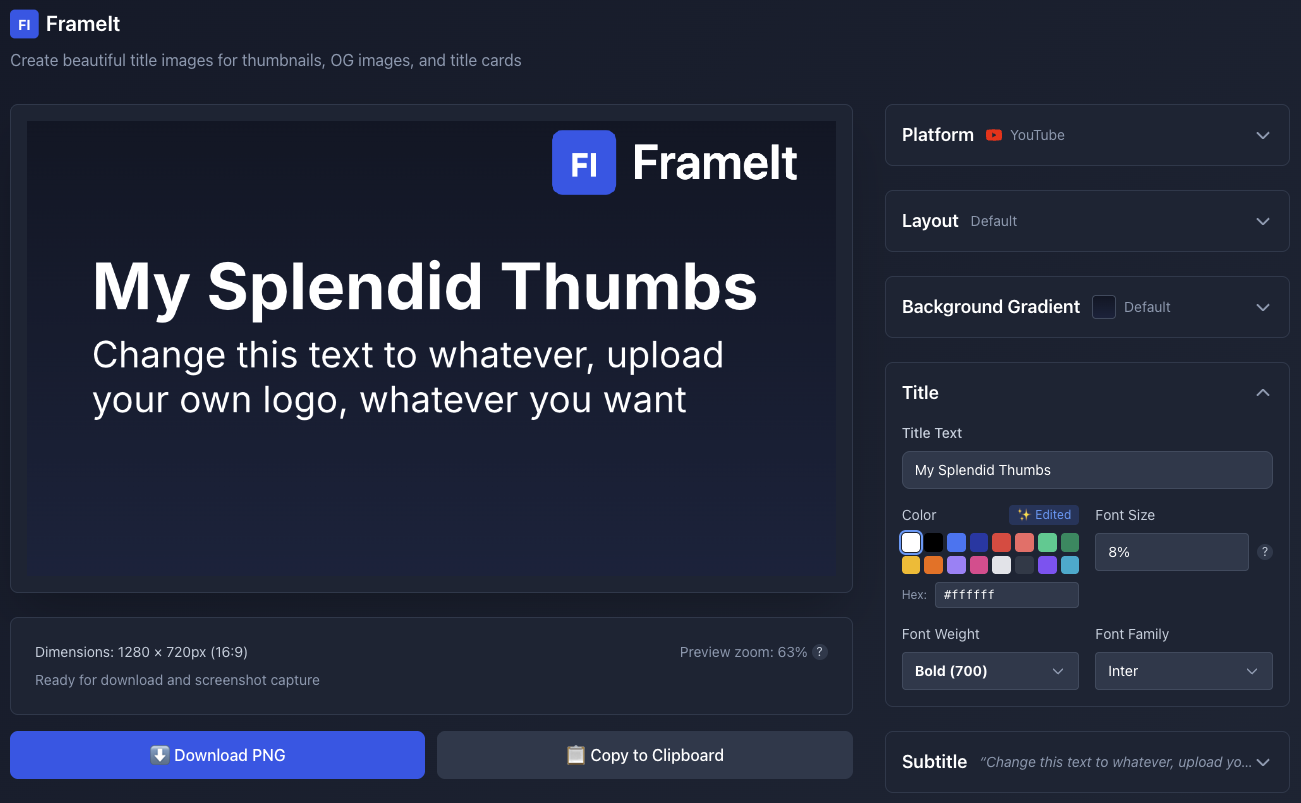
frameit.dev is a free, open-source tool for creating professional video thumbnails, title cards and social media graphics. Built with React 19 and TypeScript, it provides real-time canvas preview with multi-platform presets for YouTube, TikTok, Twitter and more. No design skills or paid software required - just create, export and share.
It is faster to generate lots of code than it is to read, understand, push back on or approve lots of code. The balance of effort is shifting hard toward the review side - so I built Local Review, a GitHub-style PR UI for the stack of commits still sitting on my laptop.
Paddock now runs on your own machine with one command, opens on the Claude Code history you already have, and tells you exactly which parts of your ~/.claude it is and isn't touching.
Paddock is a thin wrapper around Claude Code that runs it on a server and gives it a web UI — persistent, resumable chats you can reach from any laptop or phone, with forking, sub-agents, file sending and schedules on top. Here's why I built it and how it works.
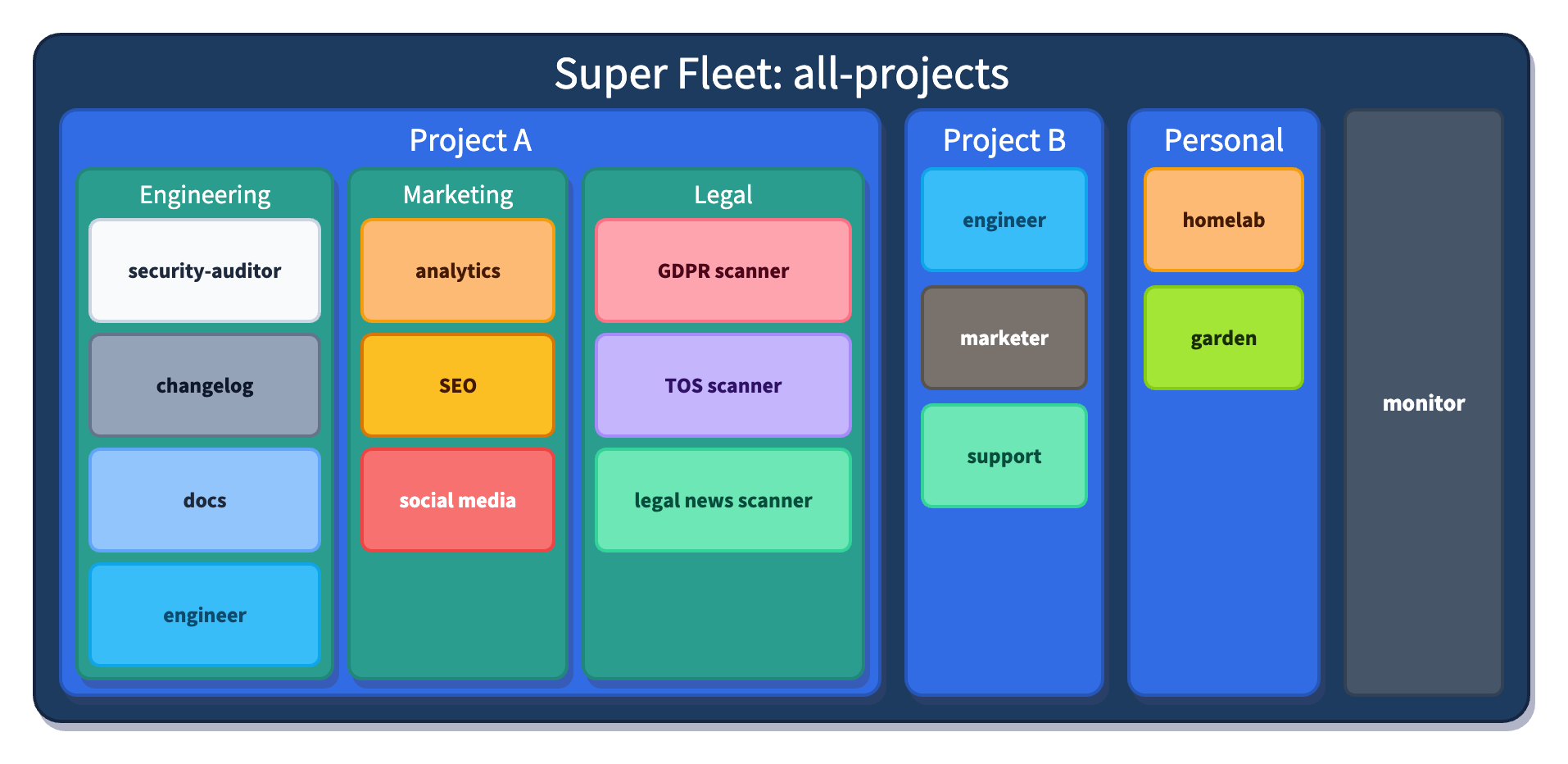
I justed added support for Composable Fleets to herdctl. As I build herdctl into more projects, I increasingly find myself creating a fleet of agents per project, and wanted a way to run them all from a central place so that I can juggle a bunch of things at once.
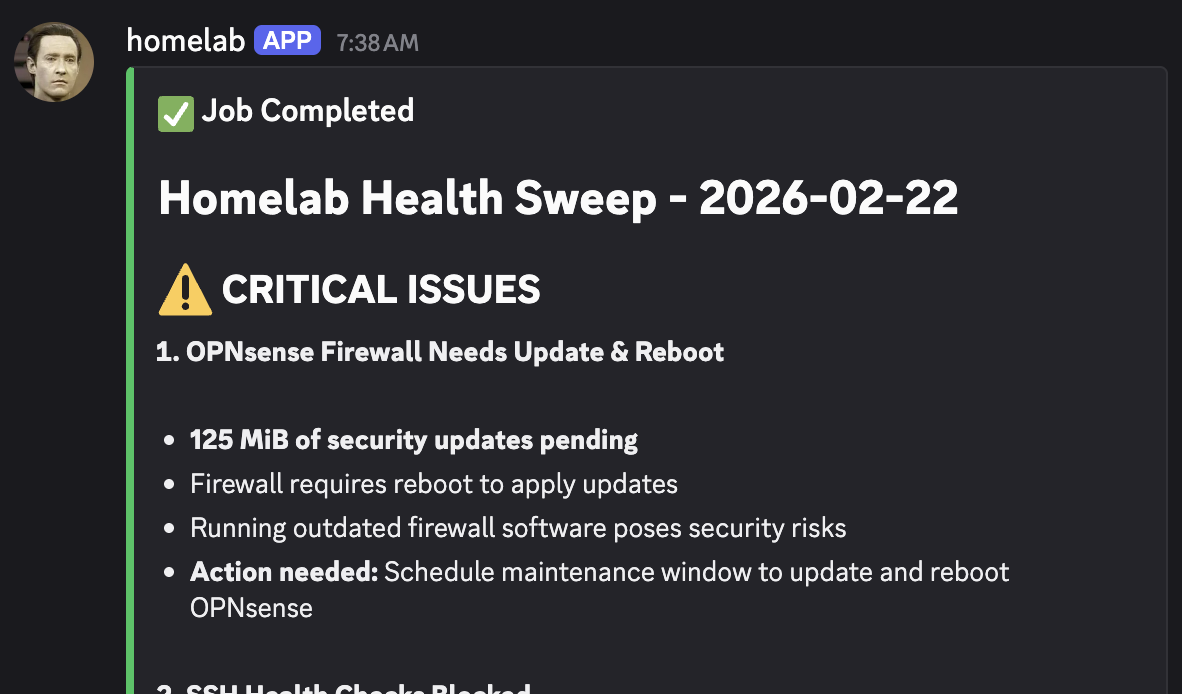
herdctl makes it really easy to run agentic workflows on a schedule. One of the first such workflows I added to herdctl itself was a daily security audit. This has been running for a few weeks now, so I wanted to share some early results.